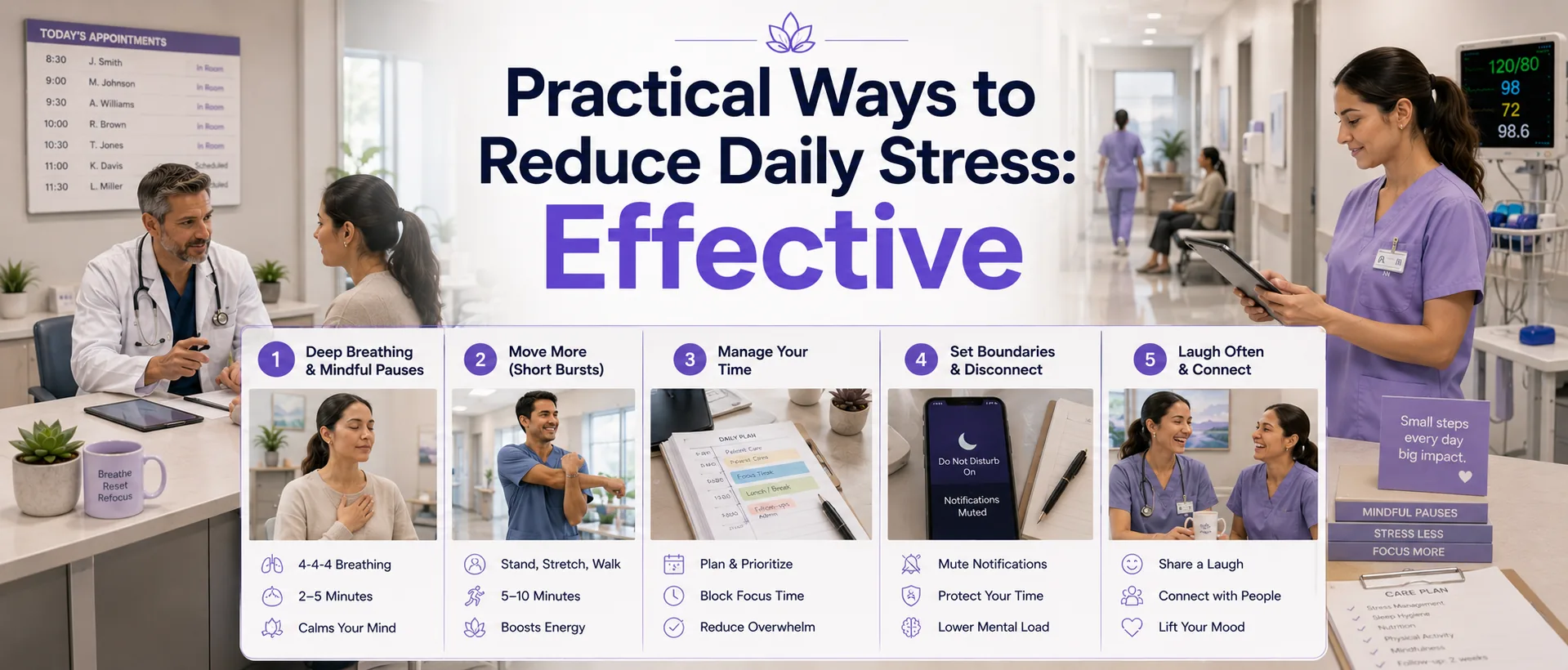
Learn actionable, research-backed techniques to reduce daily stress and enhance mental wellness tailored for busy professionals. Discover effective stress relief methods that fit into your hectic schedule and boost productivity.
Introduction: Why Reducing Daily Stress Matters for Busy Professionals
If you're a busy professional, you know how quickly daily stress can pile up—tight deadlines, endless notifications, and the constant pressure to perform. Learning how to reduce daily stress isn't just about feeling better; it's about protecting your focus, decision-making, and long-term health so you can actually perform at your best.
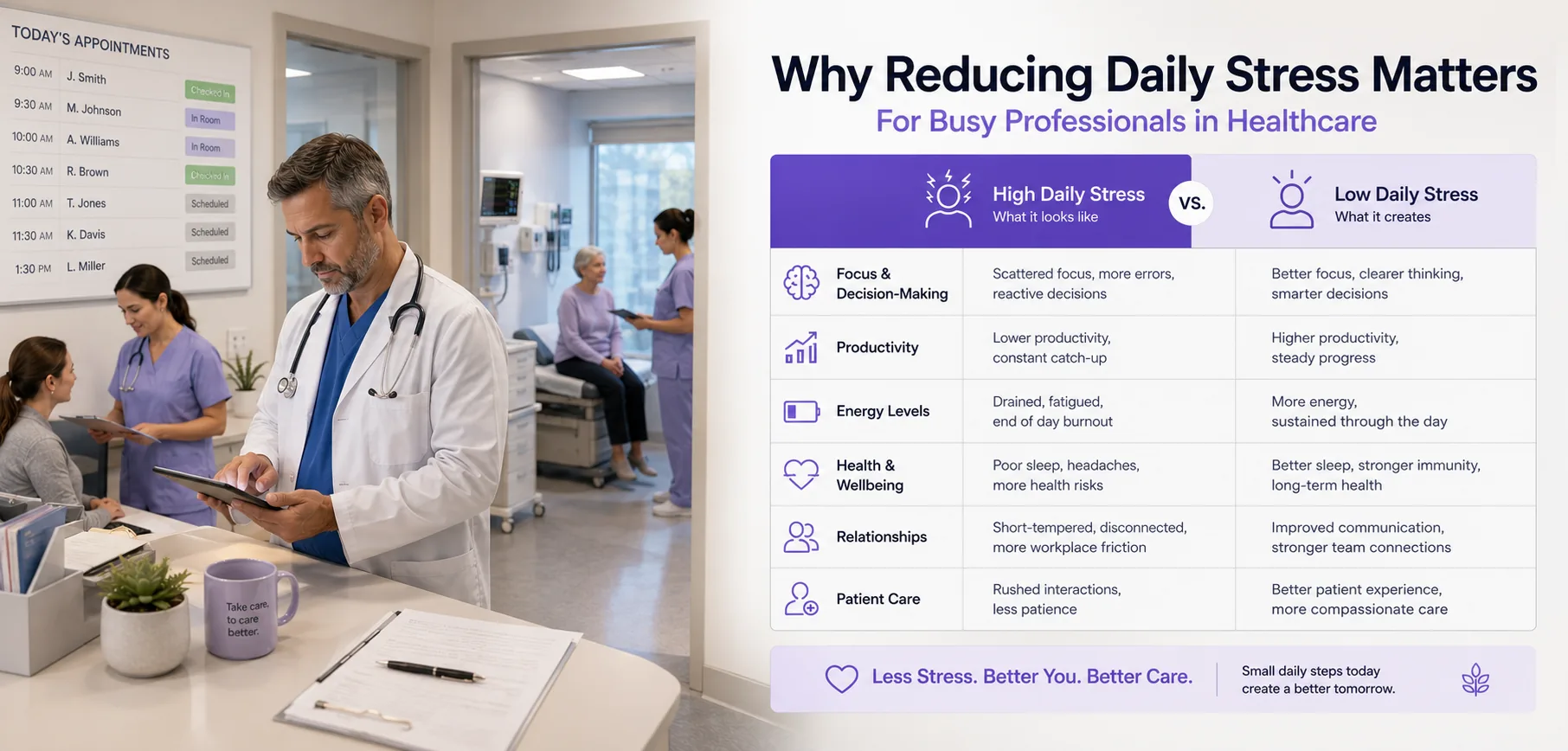
Unchecked stress chips away at productivity and can lead to burnout, poor sleep, and even physical health problems. According to the Mayo Clinic, simple steps like deep breathing or meditation are proven to help manage stress and support your overall wellbeing. Even a few minutes a day can make a measurable difference.
This article delivers practical, research-backed stress relief techniques you can use immediately—no expensive gadgets or complicated routines. You'll find actionable daily stress management tips, from quick relaxation methods to small mindset shifts that actually fit a packed schedule. We'll also highlight how laughter and mindfulness can improve your mental wellness, with references to trusted sources like HelpGuide.org and the Mayo Clinic.
Ready to take control and reduce daily stress? You're in the right place. For more on building a routine that supports mental wellness, see our article on Daily Mindfulness Routine That Actually Works: Practical Steps for Consistent Mental Wellness.
Understanding the Impact of Stress on Health and Productivity
Daily stress is more than a passing frustration—it can quietly erode both your physical health and your ability to perform at work. For busy professionals, unmanaged stress often builds up, leading to a range of issues that affect wellbeing and productivity.
On the physical side, stress triggers the release of hormones like cortisol and adrenaline. While these are helpful in short bursts, chronic elevation can contribute to high blood pressure, headaches, digestive problems, and even a weakened immune system. According to the Mayo Clinic, ongoing stress is linked to increased risk of heart disease and other chronic health conditions. This makes daily stress management a real health priority, not just a comfort issue.
Psychologically, stress can chip away at focus, motivation, and emotional resilience. It often leads to irritability, anxiety, and sleep disturbances—all of which directly impact daily stress management and decision-making. Over time, high stress can contribute to burnout or even depression. As outlined by HelpGuide.org, regular relaxation methods such as deep breathing or mindfulness are proven to help relieve stress and support mental wellness.
For leaders and founders, the effects ripple outward. High stress can lower team morale, increase turnover, and reduce overall effectiveness. Recognizing the signs early and adopting practical stress relief techniques—like laughter, which the Mayo Clinic notes can ease tension—can make a measurable difference in both health and workplace outcomes.
In short, reducing daily stress is not just about feeling better in the moment—it is a critical strategy for sustaining long-term health and high performance. By understanding how stress affects both body and mind, busy professionals can make informed choices about which stress reduction strategies and relaxation methods to prioritize.
Top Practical Techniques to Reduce Daily Stress
For busy professionals, stress can pile up fast—tight deadlines, packed calendars, and constant digital interruptions are the norm. The good news: you can reduce daily stress with a few proven, actionable techniques that fit into even the most demanding schedule. Here are five practical stress relief techniques you can start using today:
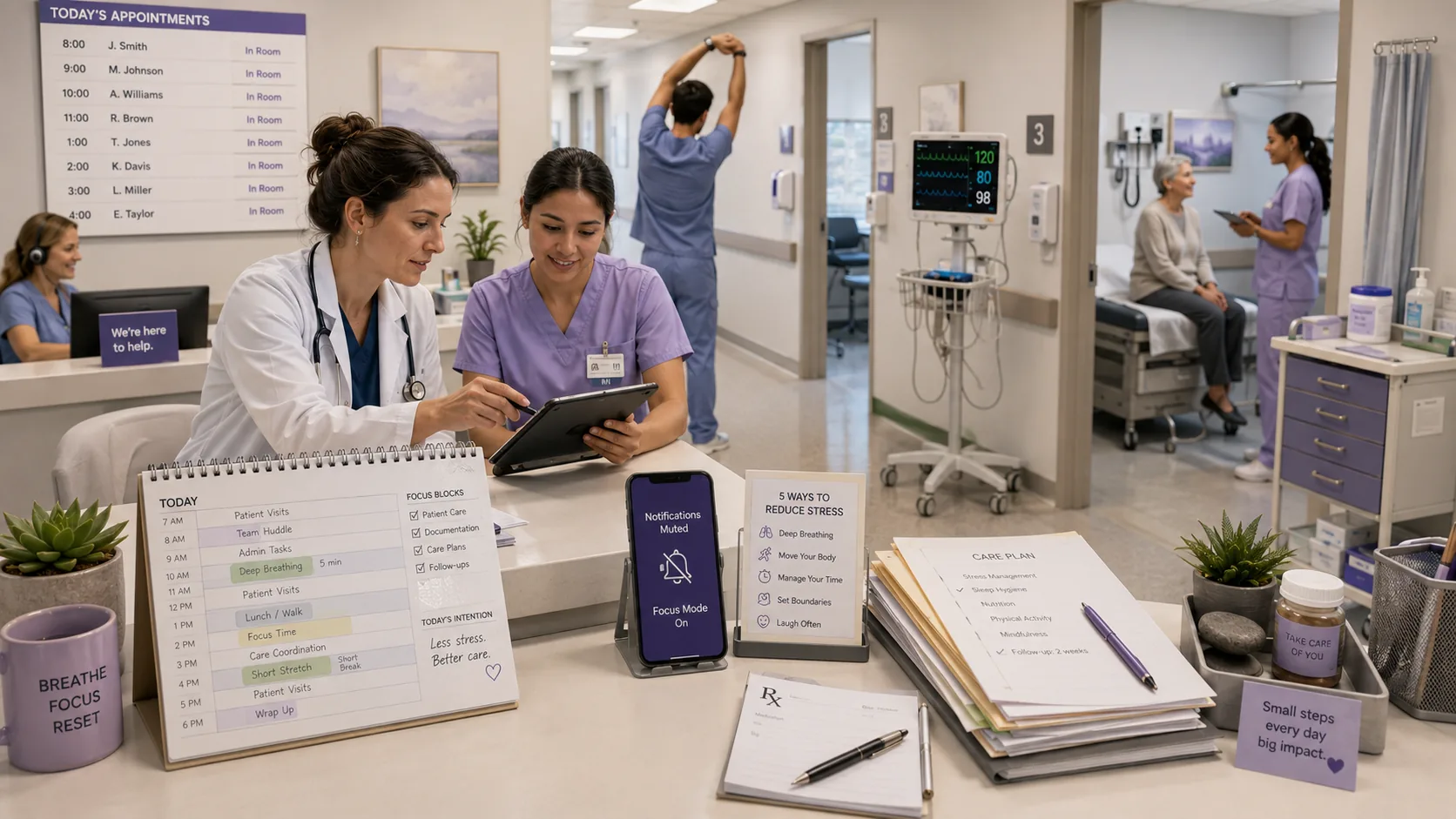
- Deep Breathing and Mindful Pauses
Simple breathing exercises can calm your nervous system and lower stress in just a few minutes. Try inhaling slowly for four counts, holding for four, and exhaling for four. The Mayo Clinic and American Heart Association both recommend deep breathing and meditation as effective stress relief techniques. - Physical Activity—Even Short Bursts
Regular exercise is a classic daily stress management tool, but you don't need a full workout to benefit. Stand up for a quick stretch, take a brisk walk around the office, or do a few minutes of movement between meetings. Even brief activity can help regulate mood and energy. For more, see HelpGuide.org's tips on daily relaxation practices. - Time Management and Prioritization
Overcommitting leads to overwhelm. Block focused work periods, set clear priorities, and use digital tools or simple checklists to track tasks. The AAAAI Practice Management Tips recommend structured schedules and regular breaks to help professionals avoid burnout and maintain productivity. - Setting Boundaries—Learn to Say No
Protecting your time is essential for mental wellness. Say no to non-essential meetings, mute notifications after hours, and communicate your limits clearly. Setting boundaries helps prevent chronic stress and keeps your workload sustainable. - Laughter and Lightness
It might sound simple, but finding humor in daily situations can ease tension. The Mayo Clinic notes that even forced laughter can trigger real stress relief responses in your body. Try sharing a funny story with a colleague or watching a short comedy clip during breaks.
Want more daily stress management tips? Check out our guide to daily mindfulness routines or browse additional mental wellness articles on our blog.
Incorporating Relaxation Practices into Your Daily Routine
Busy professionals often struggle to find time for stress relief techniques, but integrating relaxation methods into your daily schedule is both practical and effective. The goal is to make daily stress management a habit, not another task that adds pressure. Start by identifying small windows in your day—like your morning coffee, commute, or lunch break—where you can fit in a few minutes of focused relaxation.
Choose methods that fit your workflow. Meditation, progressive muscle relaxation, and deep breathing are all proven relaxation methods that can be done in short bursts. For example, you might try a five-minute guided meditation using an app before your first meeting, or practice progressive muscle relaxation at your desk between calls. According to the Mayo Clinic, even brief sessions of meditation or deep breathing can support stress reduction and overall wellness.
Pair new habits with existing routines. Attaching a relaxation practice to something you already do—like stretching while waiting for your coffee to brew or doing a quick breathing exercise before logging off for the day—makes it easier to stay consistent. Over time, these small steps become automatic, helping you manage stress before it builds up.
Overcome barriers with practical tools. Many professionals worry that taking breaks for relaxation will disrupt productivity, but research shows that short pauses can actually improve focus and reduce mistakes. If you find it hard to remember or stick with new habits, set calendar reminders or use a habit-tracking app. For more strategies on building a daily relaxation practice, see this guide from HelpGuide.org.
Remember, the most effective stress reduction strategies are the ones you can realistically maintain. Start with one small change, notice how it impacts your mood and focus, and build from there. With consistency, relaxation methods become a natural part of your routine, supporting both mental wellness and productivity.
The Role of Laughter and Positive Mindset in Stress Relief
Laughter and a positive mindset are more than just feel-good concepts—they are practical, evidence-backed stress relief techniques that busy professionals can use daily. When you laugh, your body releases endorphins, reduces the level of stress hormones, and relaxes your muscles, creating a genuine sense of relief. According to the Mayo Clinic, even forced laughter can start to ease tension and improve your mood, making it a useful tool for daily stress management.
Maintaining a positive mindset also plays a crucial role in mental wellness. Optimism helps you reframe challenges, see setbacks as temporary, and focus on solutions rather than problems. This shift in perspective can reduce the impact of daily stressors and support long-term resilience. Research highlighted by HelpGuide.org shows that positive thinking and regular relaxation methods can boost feelings of joy and well-being, further supporting your stress reduction strategies.
Here are practical ways to bring more laughter and positivity into your workday:
- Start meetings with a light-hearted story or a funny (work-appropriate) meme.
- Keep a gratitude journal—write down three good things each day, no matter how small.
- Share a quick laugh with a colleague, even if it means watching a short comedy clip together.
- Practice reframing negative thoughts: when something goes wrong, ask yourself, "What can I learn from this?"
- Schedule regular breaks to do something enjoyable, even for five minutes—read a comic, listen to a favorite song, or stretch.
Building these habits may feel awkward at first, but over time, they can become a natural part of your daily stress management toolkit. For more mental wellness tips and practical advice, see the Mayo Clinic's guide to laughter and stress relief or explore our related post on Understanding Mindfulness and Its Benefits for Mental Wellness.
How Mindfulness and Meditation Support Stress Management
Mindfulness and meditation have become go-to stress relief techniques for busy professionals who want practical ways to reduce daily stress without overhauling their routines. Mindfulness means paying attention to the present moment without judgment. Meditation is the structured practice of focusing your mind—often on your breath, a sound, or a simple phrase—to calm mental chatter and reset your stress response.
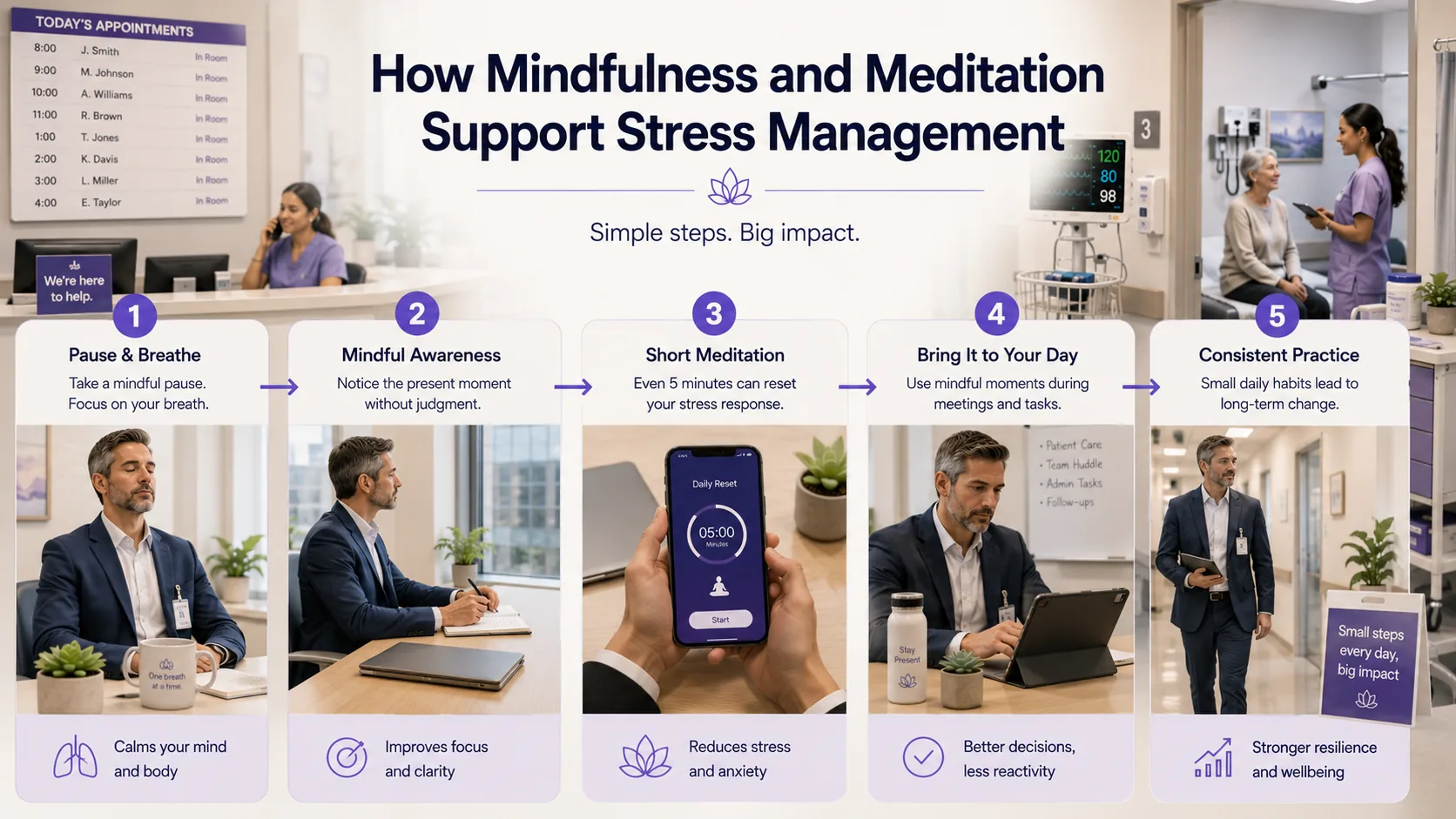
Why do these methods work? According to the Mayo Clinic, meditation and deep breathing can help lower stress and even support healthy blood pressure. Regular mindfulness practice is linked to improved focus, better emotional regulation, and a greater sense of control—key benefits for professionals juggling high-stakes decisions and constant interruptions.
Getting started does not require hours of free time or a silent retreat. Here are a few beginner-friendly ways to add mindfulness and meditation into your day:
- Micro-meditations: Take 2 to 5 minutes between meetings to close your eyes, notice your breath, and let thoughts pass by without reacting.
- Mindful transitions: Use routine moments—like walking to your car or making coffee—to tune into your senses and pause before jumping to the next task.
- Guided audio: Try a short guided meditation from a reputable app or website. Even a single session can help you reset after a stressful call.
- Breath focus: When stress spikes, inhale slowly for a count of four, hold for four, and exhale for four. Repeat three times. This simple exercise is recommended by health experts and can be done anywhere.
For more on how mindfulness fits into a daily routine, check out our post on Daily Mindfulness Routine That Actually Works. If you want a deeper dive into the science and broader benefits, see Understanding Mindfulness and Its Benefits for Mental Wellness.
Building these habits takes practice, but even small steps can make a noticeable difference in daily stress management. If you are considering wellness features for your team or platform, mindfulness modules are now a core part of modern mental wellness apps. For implementation help, see more articles or contact Prompt Gurru for a discovery call.
Case Study: Mental Wellness Features in Mindway EAP Platform (illustrative example)
For busy professionals, daily stress can quickly pile up—especially when work demands leave little room for self-care. Digital wellness platforms are making it easier to access practical stress management tools on your own schedule. The Mindway Employee Assistance Program (EAP) platform is an illustrative example of how technology can support mental wellness at scale.
Mindway was built as a confidential, all-in-one mental wellness platform for organizations and their teams. Its features are designed to address the real-world barriers professionals face when trying to reduce daily stress:
- On-demand mental health resources: Mindway offers a curated library of evidence-based articles, guided relaxation exercises, and short video sessions covering topics like deep breathing, mindfulness, and work-life balance. These resources are available 24/7, so users can find stress relief techniques that fit their routines.
- Confidential chat and support: Users can connect with licensed counselors or wellness coaches directly through the app. This lowers the friction of seeking help and ensures privacy—key for professionals who may hesitate to book in-person sessions.
- Personalized wellness plans: After a brief intake, Mindway recommends daily stress management routines and tracks progress. Features include reminders for relaxation methods, mood check-ins, and nudges to build healthy habits over time.
- Progress tracking and analytics: The platform visualizes improvements in mood and stress levels, giving users tangible feedback and motivation to stay engaged with their wellness journey.
By combining accessible content, real-time support, and actionable routines, Mindway demonstrates how digital platforms can make stress reduction strategies more practical for busy professionals. For a closer look at the Mindway project and its mental wellness features, see the Mindway portfolio on Prompt Gurru.
If you're interested in building a similar wellness platform or want to explore digital tools for stress management in your organization, contact Prompt Gurru for a discovery call.
DIY vs Professional Support: When to Seek Help for Stress Management
For many busy professionals, self-guided stress relief techniques—like deep breathing, daily exercise, and short relaxation breaks—are enough to manage everyday tension. These daily stress management strategies can be practical and effective, especially when your stress levels are moderate and you still feel in control of your routine. But there are clear signs when DIY approaches may not be enough, and it's important to know when to seek professional support for your mental wellness.
- Persistent anxiety, sadness, or overwhelm that doesn't improve with self-care
- Ongoing trouble sleeping or significant changes in appetite
- Difficulty concentrating at work or a noticeable drop in productivity
- Physical symptoms like headaches, stomach issues, or high blood pressure linked to stress
- Withdrawing from social or professional activities you used to enjoy
If you notice these patterns, it's time to consider professional support. Licensed counselors and therapists can help you develop personalized stress reduction strategies and address any underlying issues. Many organizations now offer Employee Assistance Programs (EAPs) or digital wellness platforms that provide confidential access to mental health resources. For example, the Mindway EAP platform (illustrative example) offers on-demand counseling, self-guided wellness modules, and crisis support—making mental wellness resources accessible for busy teams.
Professional support isn't just for crisis situations. It can be a proactive step for anyone who wants to improve their mental wellness, prevent burnout, or simply get expert guidance on daily stress management. According to HelpGuide.org, regular relaxation practices and professional counseling can boost your well-being and help you manage stress more effectively over time.
If you're considering building or improving a wellness platform for your organization, or want to explore digital mental health solutions, contact Prompt Gurru to discuss how we can help you support your team's mental wellness at scale.
Frequently Asked Questions About Daily Stress Reduction
What are the best techniques to reduce daily stress?
Some of the most effective ways to reduce daily stress include deep breathing, regular physical activity, mindfulness meditation, and building short relaxation breaks into your schedule. According to the Mayo Clinic, practices like meditation and deep breathing can help calm your mind and body. Laughter and positive social connections are also proven stress relief techniques. For more actionable ideas, see our section on Top Practical Techniques to Reduce Daily Stress.
How long does it take to see results from stress relief methods?
Many people notice some improvement in mood or tension after just a few sessions of relaxation methods, such as meditation or breathing exercises. However, for lasting benefits in daily stress management, consistency is key. Practicing these techniques daily for several weeks helps build resilience and makes stress reduction strategies more effective over time. For more on building habits, check out Daily Mindfulness Routine That Actually Works.
Can relaxation methods replace medication for stress?
Relaxation methods like mindfulness, exercise, and laughter can significantly reduce daily stress for many people, but they are not a replacement for prescribed medication when it's needed for anxiety or related conditions. Always consult your healthcare provider before making changes to your treatment plan. For more on how relaxation supports mental wellness, see this guide from HelpGuide.org.
When should I seek professional help for stress management?
If daily stress feels overwhelming, interferes with your work or relationships, or leads to symptoms like insomnia, persistent anxiety, or depression, it's time to seek professional support. Early intervention from a counselor, therapist, or Employee Assistance Program (EAP) can help you develop personalized stress reduction strategies. Learn more about EAP features in our Mindway EAP case study or contact Prompt Gurru for wellness platform development.
Is it better to use an app or see a counselor for stress relief?
Apps can be a great starting point for daily stress management, offering guided meditations, breathing exercises, and habit tracking. However, if you need tailored advice or are struggling with ongoing stress, working with a professional counselor or coach is more effective. Many organizations combine both approaches for the best results. For a deeper look at digital and human support options, see our article on Understanding Mindfulness and Its Benefits for Mental Wellness.
Ready to automate your business?
We build n8n workflows, AI pipelines, Flutter apps, and custom software for startups and SMEs - like the system that powers this blog.
Book a free discovery call